
Valorant's Evolution: A Look at the Game's Growth and the Anticipated 2.09 Update
Valorant and Replication mode shine as Riot Games delivers thrilling updates, innovative agents, and strategic gameplay for a vibrant community.
Valorant, the tactical first-person shooter from Riot Games, continues to dominate the competitive gaming landscape in 2026. Since its explosive debut, the game has not only surpassed established giants in the genre but has also cultivated a massive, dedicated global community. The developers have consistently followed through on a long-term roadmap, introducing a steady stream of innovative agents, meticulously designed maps, and engaging gameplay modes to keep the experience fresh and strategically deep. This commitment to evolution is exemplified by the anticipation surrounding past updates, such as the significant 2.09 patch, which introduced novel ways to play and refined core mechanics.
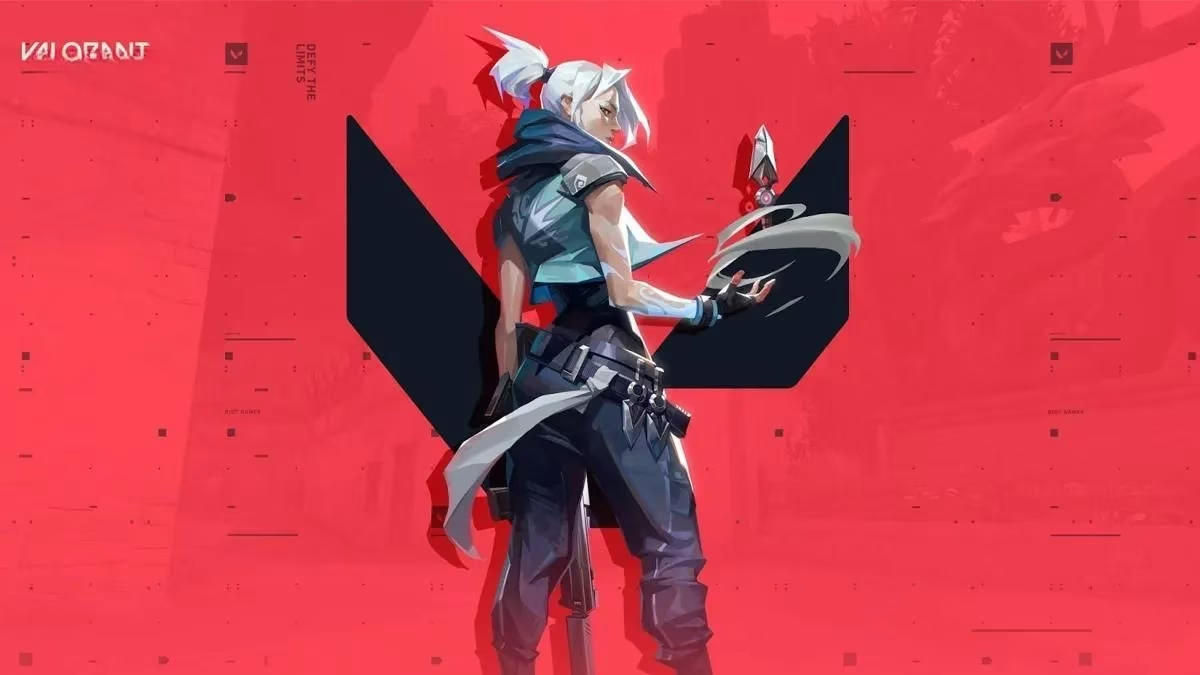
Riot Games has mastered the rhythm of consistent content delivery, with major updates arriving every few weeks. These patches are more than just routine maintenance; they are events that reshape the meta, introduce new strategic layers, and respond directly to community feedback. The cycle of introducing a new agent, followed by map updates and balance changes, has kept the player base engaged and the esports scene dynamic. The introduction of agents like Astra demonstrated Riot's willingness to add complex, cosmic-themed abilities that challenge traditional tactical play, a trend that has continued with subsequent roster additions.
One of the most exciting aspects of these updates has been the introduction of limited-time modes that offer a refreshing break from the standard competitive format. The Replication game mode, first launched with the 2.09 update, became an instant fan favorite due to its chaotic and hilarious premise.
Key features of the Replication mode included:
-
A best-of-nine rounds format for fast-paced matches.
-
A unified team composition, where all five players on a team control the same agent, decided by a pre-match vote.
-
A temporary replacement of the Escalation mode in the game's rotation, typically lasting for about two weeks.
-
A crucial "Flashguard" system designed to prevent oppressive, non-interactive gameplay. This mechanic ensured that if a player was affected by a flash ability twice within a four-second window, any subsequent flash within that period would have no effect.
This mode showcased Riot's understanding of fun, allowing for wild strategies and unforgettable moments, like entire teams deploying synchronized ultimate abilities. The Flashguard mechanic, in particular, was a thoughtful addition that addressed a common frustration in the standard game, preventing players from being chain-blinded and unable to participate in the fight. It was a clear example of the developer's attention to quality-of-life improvements, even in alternate game modes.
Looking back, the update schedule for patches like 2.09 was always a topic of keen interest. While Riot Games typically followed a predictable pattern, official confirmations were often awaited eagerly. Based on historical deployment windows, updates would go live across major regions in a coordinated rollout.
Estimated release timetable (based on past patterns):
| Region | Time Zone | Approximate Time |
|---|---|---|
| North America (West) | PST | 08:00 AM |
| North America (East) | EST | 11:00 AM |
| United Kingdom | GMT | 04:00 PM |
| India | IST | 09:30 PM |
| Japan | JST | 01:00 AM (next day) |
Naturally, these times served as a general guideline, and players learned to expect occasional delays or adjustments as the developers finalized the patch. The community would often gather on social media and forums, sharing information and speculation until the official patch notes were released, detailing all the agent balance changes, weapon tweaks, bug fixes, and new content. This cycle of anticipation and discovery has become a core part of the Valorant experience, fostering a strong connection between the developers and the players.
In 2026, Valorant's legacy is built upon this foundation of consistent, meaningful updates. The game's ability to iterate and introduce compelling new content like the Replication mode has been key to its longevity. While the specific agents and maps have evolved dramatically, the core philosophy remains: providing a precise, team-based tactical shooter that rewards skill, strategy, and adaptation. The journey from those early updates to the sophisticated ecosystem of today shows a game and a developer relentlessly focused on growth and player satisfaction.