
Valorant's Blood Toggle Spares Esports Sponsors in 2026
Valorant blood toggle boosts esports accessibility and sponsorship, making the game a global competitive powerhouse by 2026.
Back in 2020, when Riot Games first dropped Valorant into a crowded market of tactical shooters, some players scratched their heads at the 'Blood Toggle.' Fast-forward to 2026, and that little switch has become one of the smartest moves in competitive gaming. The idea is dead simple: turn off blood and gore, and you open the floodgates for sponsors, broadcasters, and regions that cringe at red pixels splattering across the screen. Riot wasn't just thinking about today's casual frags—they were gunning for a global esports empire that could sidestep the censorship brawls that strangle other titles.
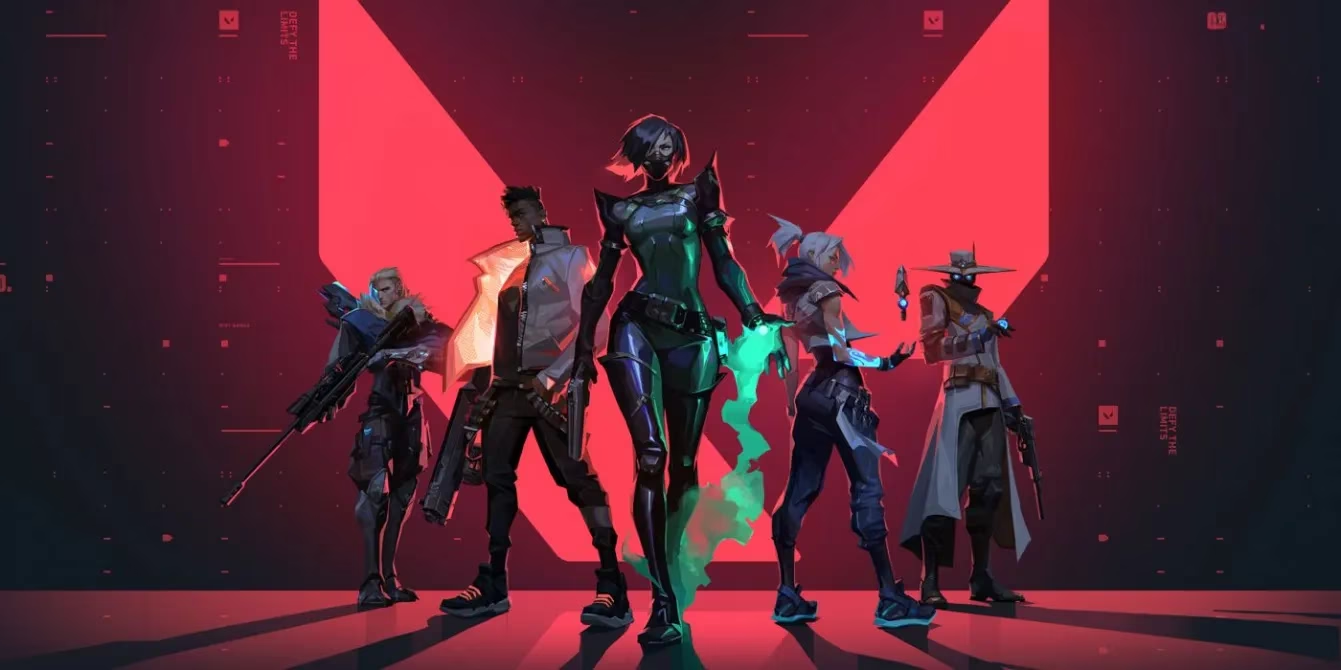
The whole shebang got rolling when Riot’s Senior Director of Esports, Whalen Rozelle, laid down the law in competitive guidelines: any official Valorant league or tournament must keep blood toggled off. Rozelle said it plain: “By turning off blood, we allow more sponsors and distributors to join the ecosystem, ultimately creating more accessibility and stability for everyone.” It’s a transparent play for mainstream acceptance, and in 2026 it’s proven absurdly effective. Think about it—would a big-name energy drink brand want its logo next to a spray of pixelated crimson during the grand finals? Probably not. The toggle isn't about watering down the game; it’s about inviting non-endemic brands into the fold without making them squirm.
Players at home still get to decide. If you want to see headshot spurts and the aftermath of a Raze ultimate in all its messy glory, the toggle stays on. It's a nifty compromise that respects individual tastes while keeping the pro circuit family-friendly enough for prime-time Twitch streams—and, crucially, for the Chinese market. China’s regulations have long treated blood and blood-like effects in games with a stony face, and Valorant’s toggle was practically a VIP ticket into that massive esports scene. By 2026, VCT China teams have built massive fanbases, and the toggled-off blood is just a no-brainer background detail that nobody on stage even talks about anymore.
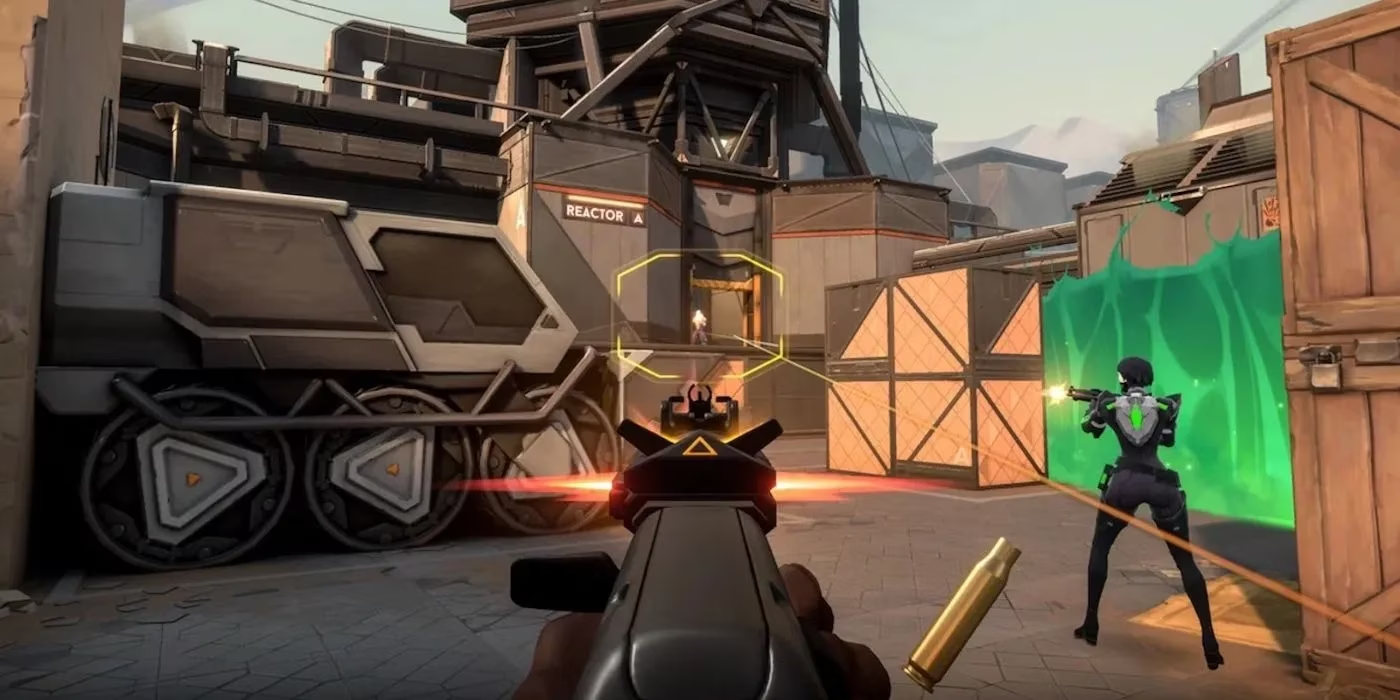
Critics back in the day threw around the word “censorship” like it was a plague. For many hardcore FPS fans, any hint of sanitization felt like a betrayal of the genre's gritty roots. But the pushback was a flash in the pan. Valorant’s closed beta shattered viewership records, and the momentum only snowballed. By 2026, the esports ecosystem has more dollars flowing in than anyone expected—thanks in large part to sponsors who might have ghosted a blood-soaked version of the game. Just look at the numbers: the VCT 2025 Champions tour pulled in over 3.5 million peak viewers, with a sponsor roster that includes automotive giants and global insurance firms. You can bet those suits aren't fans of gore fests.
The real genius here is how Riot baked accessibility into the game’s DNA. The blood toggle isn’t just a diplomatic button; it’s a design philosophy that aligns with Valorant’s broader approach. Unlike older military shooters that lean on grittiness, Valorant’s hyper-stylized agent kits and bright visual clarity already make it easier for newcomers to jump in. Turning off blood is just the cherry on top for regions where even cartoonish violence gets the side-eye. In 2026, that philosophy has proven itself in emerging markets across Southeast Asia and the Middle East, where local broadcasters happily stream clean versions of the game without worrying about regulatory fines.
There's also a lesson here about how esports franchises can outmaneuver political firestorms. Remember back in the early 2020s when US politicians were dusting off old talking points about video game violence? Valorant’s toggle provided a ready-made response: “We can show you the game is safe.” By the time the conversation heated up around 2024’s legislative proposals, Riot could point to its clean competitive feeds and say, “See? Nothing to fear.” It robbed the moral panic patrol of a juicy target, and other publishers quietly took notes.
Of course, veteran players have their own workarounds for the competitive scene’s vanilla visuals. Some pros joke that they can still “feel” the headshot because a clean kill in Valorant already has a distinct sound cue and a satisfying elimination banner. The blood toggle might remove the red mist, but it can’t take away the dopamine hit of a crisp one-tap. And honestly, after years of watching the crisp, colorful play unfold on the VCT stage, most fans don’t even notice the missing gore anymore. It’s become as background as the mousepad beneath a pro’s hand.
Looking ahead, the blood toggle is poised to do more heavy lifting. With augmented-reality broadcasts becoming standard in 2026, organizers layer sponsor ads and real-time stats directly onto the clean feeds. A bloodless canvas makes that integration seamless—no awkward moments where a flying viscera clips through a brand logo. Expect to see even more inventive partnerships and broadcasting innovations built on the back of that simple setting.
Valorant’s journey from 2020’s beta buzz to 2026’s polished esports juggernaut shows that sometimes, less is more. Turning off a few particle effects didn’t ruin the experience; it opened doors. Whalen Rozelle’s gamble paid off, and now the blood toggle is a model of how competitive shooters can grow up without selling out. So next time you queue up a ranked match and let the blood fly, remember that the same game is keeping its hands clean on the global stage—and raking in the sponsors because of it.