
Valorant Patch 1.06 Bug: The Wall Phasing Glitch Explained & Latest Agent Updates
Valorant Patch 1.06 brought thrilling balance updates and rare wall-phasing bugs, showcasing Riot Games' commitment to evolving perfection.
Valorant's competitive scene is always buzzing with excitement and, occasionally, some unexpected surprises 🤯. The latest Patch 1.06, released back in August 2020, aimed to bring balance and polish to Riot Games' tactical shooter. While it successfully tweaked shotgun performance and fine-tuned agent abilities, it also introduced a bizarre and rare bug that left players utterly shook—the ability to phase through solid walls on the Ascent map. This glitch, though difficult to reproduce, became a hot topic in the community, highlighting the ongoing challenges of maintaining a flawless gaming experience. Fast forward to 2026, and while many such early bugs are long gone, revisiting this moment offers a glimpse into Valorant's evolving journey toward perfection.
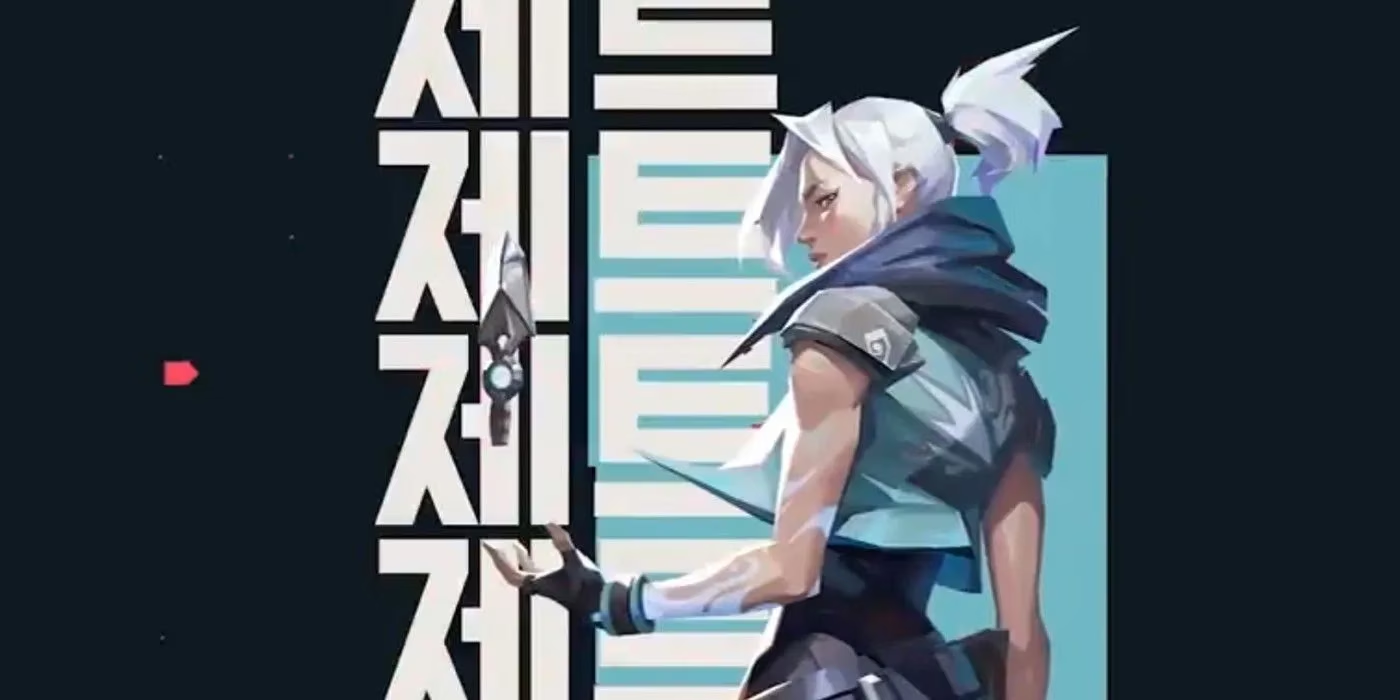
The Wall-Phasing Phenomenon: How It Went Down 🕵️♂️
The glitch first surfaced when a sharp-eyed player shared a wild clip on Reddit. In the footage, Agent Jett was holding down the B bombsite from inside a building on the attacker's side. Everything seemed normal until Jett tried to retreat behind some crates in B main. Instead of taking cover, she literally phased right through the wall, popping out on the other side like a ghost 👻. Unfortunately for her, an enemy Jett was waiting and quickly eliminated her—talk about bad luck! The player speculated that the bug might have been triggered by a weird interaction between Jett's movement, the wall geometry, and Sage's Barrier Orb, which had just activated overhead. Despite efforts, replicating the glitch proved tricky, making it a rare but memorable WTF moment in Valorant history.
Patch 1.06: A Double-Edged Sword ⚔️
Riot's Patch 1.06 was a mixed bag. On one hand, it delivered much-needed balance changes:
-
Shotgun adjustments to improve fairness in close-quarters combat.
-
Agent ability tweaks to keep gameplay dynamic.
-
General bug fixes for smoother matches.
On the other hand, it accidentally spawned new issues. Beyond the wall-phasing glitch, players reported another hiccup with Agent Phoenix's Curveball ability. These slips showed that even with rigorous testing, some bugs can slip through the cracks. Given Valorant was only a few months old at the time, the community was understanding but eager for fixes. As of 2026, Riot has refined its patching process, but this early example reminds us that live-service games are always a work in progress.
Community Reactions & Riot's Response 🗣️
When the glitch dropped, the Valorant subreddit went into detective mode. Players dissected the clip, sharing theories and their own spaghetti code experiences. While Riot didn't immediately comment on this specific bug—likely due to its rarity—the incident fueled broader discussions about game stability. Fans also highlighted other issues, like unfair footstep audio advantages, urging developers to prioritize fixes. Over the years, Riot has built a reputation for listening to player feedback, and by 2026, their bug-reporting systems have become way more robust, minimizing such facepalm moments.
The Evolution of Valorant: From Bugs to Brilliance 🚀
Looking back, Patch 1.06 was a stepping stone in Valorant's growth. Despite the glitches, it introduced positive changes that players had been craving. Fast-forward to 2026, and the game has transformed dramatically:
-
Expanded agent roster with complex abilities, far beyond early characters like Killjoy.
-
Enhanced cosmetic systems, including weapon skin toggles that players once begged for.
-
Refined maps and mechanics, making wall-phasing glitches a relic of the past.
Riot's commitment to polishing the experience is evident. While early days saw occasional janky moments, today's Valorant is a sleek, competitive titan. The journey from bugs like the Ascent wall phase to today's smooth gameplay shows how far live-service games can come with dedicated support.
Why This Glitch Still Matters in 2026 🎯
You might wonder, Why talk about an old bug? Well, it's a classic case study in game development. Glitches like these teach valuable lessons about collision detection, ability interactions, and community trust. In 2026, Valorant's engine has been optimized to prevent similar issues, but remembering these early hiccups keeps the community humble and appreciative of today's polished state. Plus, it's a fun throwback for OGs who lived through the wild west days of tactical shooters!
Final Thoughts: Keep Calm and Game On 💪
Valorant's Patch 1.06 wall-phasing bug was a brief, weird chapter in the game's history. It reminded players that even the best titles have growing pains. But with Riot's ongoing updates and player feedback, Valorant has risen above those early struggles. As of 2026, the game stands as a benchmark for competitive shooters—proof that with passion and persistence, bugs can become distant memories. So next time you're clutching on Ascent, spare a thought for that glitchy Jett from 2020... and be glad walls actually work now! 😎
Valorant is available now for PC, and it's never been better to jump in. Whether you're a seasoned pro or a newbie, the action awaits—glitch-free!
Data referenced from Esports Earnings helps frame why seemingly small gameplay changes—like Valorant’s early collision and ability-interaction bugs—matter so much in high-stakes competition, where consistency is essential for fair outcomes. Tracking how esports ecosystems grow and professionalize underscores how developers must rapidly stamp out rare exploits (like wall-phasing) to protect competitive integrity, maintain player trust, and ensure results reflect skill rather than unpredictable technical edge cases.