
VALORANT Patch 0.47: How Raze, Sage, and Melee Changes Reshaped Tactical Gameplay
VALORANT Patch 0.47 redefines competitive play with Raze nerfs, Sage wall changes, and melee attack balance for a fairer meta.
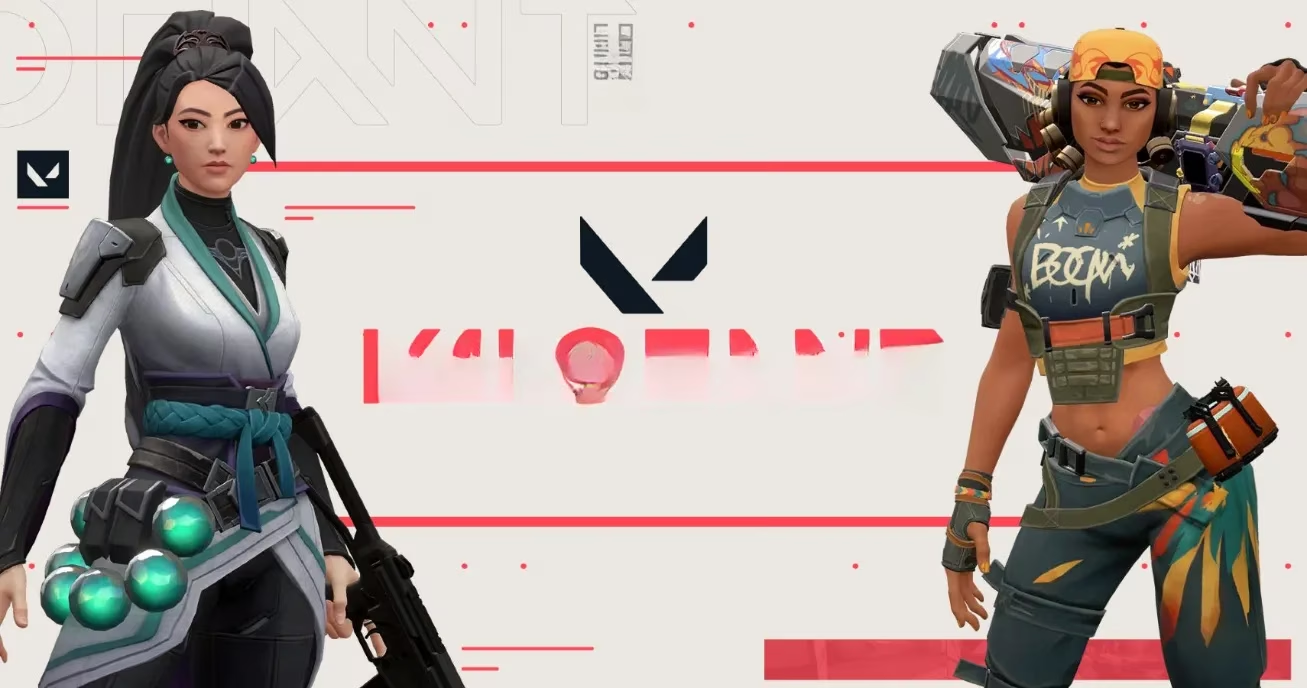
When Patch 0.47 arrived in early 2026, the VALORANT community immediately felt its weight. The update tackled some of the most debated balance issues since the game's resurgence in competitive play, particularly around agent Raze’s overwhelming early‑round presence, Sage’s barrier interactions, and the universal power curve of melee attacks. Players who had begged for Raze adjustments finally saw their prayers answered, but the solutions Riot Games delivered were far more nuanced than simple number tweaks – they introduced a design philosophy that would echo through subsequent seasons.
Raze’s Paint Shell Nerf: Skill Rewarded, Spam Punished
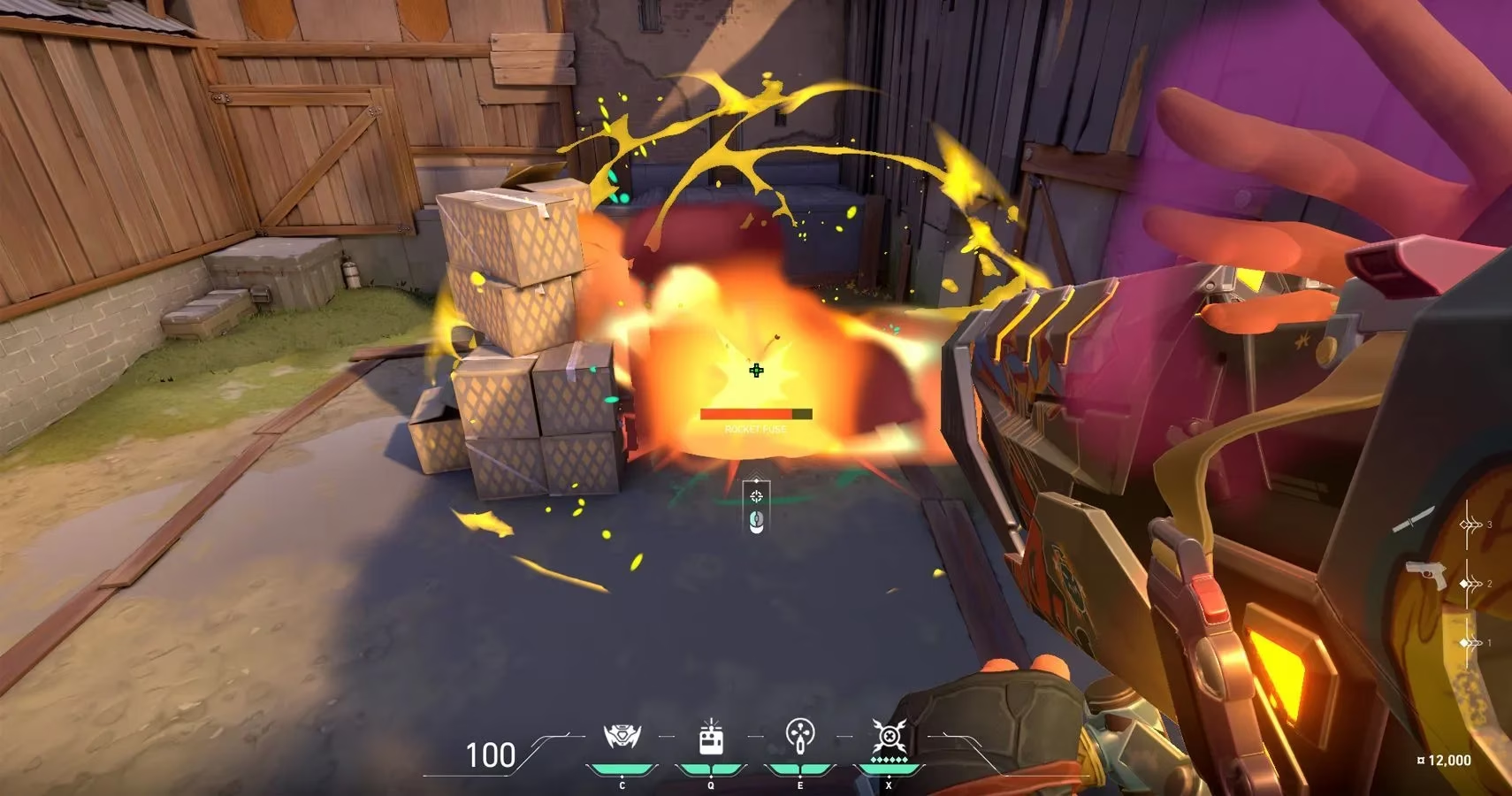
Few abilities in VALORANT have sparked as much frustration as Raze’s Paint Shells. The original kit allowed her to carry two grenades, enabling devastating double‑tap combos that could clear tight corners or delay pushes without any real commitment. The most immediate change in Patch 0.47 dropped that count to a single charge. Suddenly, Raze mains had to be deliberate. No longer could they toss a speculative nade, follow up with a second, and still rely on a full arsenal. The economic impact was immediate – low‑econ rounds, where opponents typically relied on default sidearms, became far less oppressive.
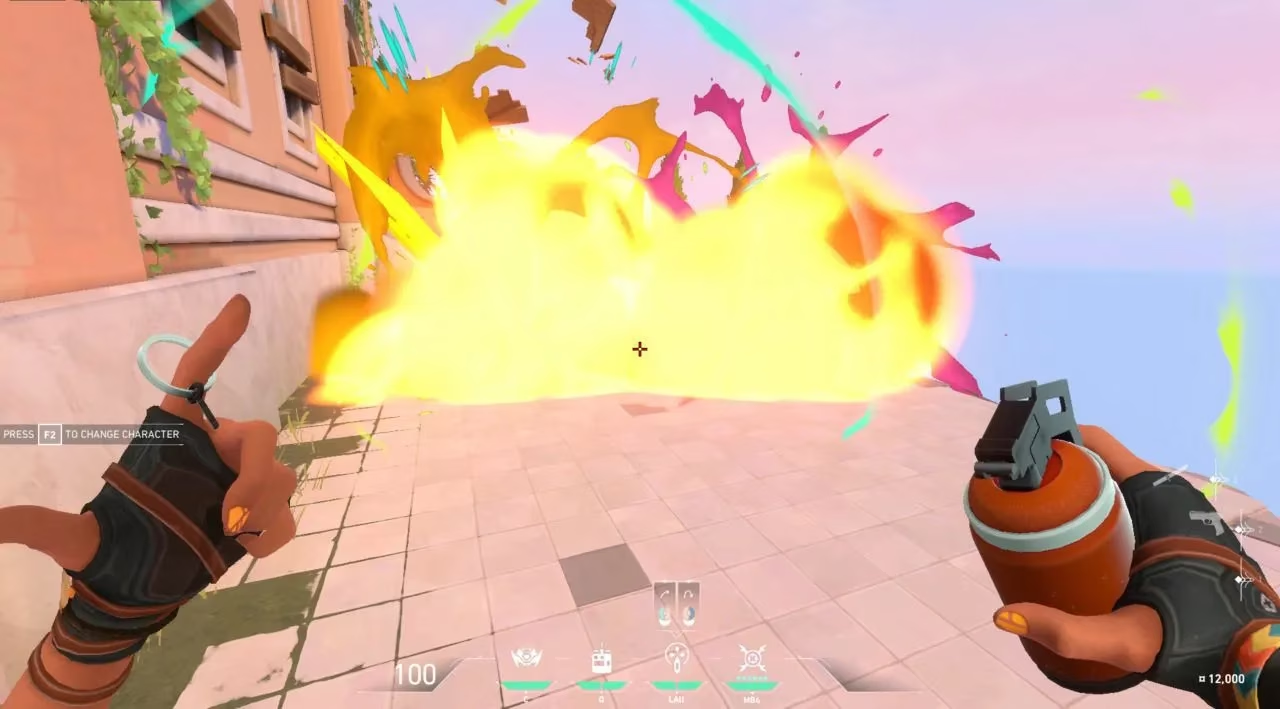
But the developers didn’t stop there. In a move that mirrors Jett’s dash reset, Raze can now earn a second Paint Shell after securing two kills. This mechanic transformed the ability from a low‑skill spam tool into a high‑stakes reward. Players now face a fascinating psychological duel: Raze can hold her only grenade to force opponents into slow, cautious movements, or she can use it aggressively, knowing that a successful double‑kill will recharge the ability immediately. The gamble reshaped her role from a pub‑stomper into a calculated duelist that rewards mechanical precision.
Audio clarity also received a major overhaul. Paint Shell, Blast Pack, and Showstopper sounds were tuned to be more discernible mid‑fight, while the secondary cluster explosions of Paint Shells gained a minimum delay before detonating. In practice, opponents can now react to Raze’s abilities with far greater consistency. A gunfight against her no longer feels like a lottery of sound cues; every ability has a distinct warning, and the extra split‑second on cluster pops allows for counterplay even in chaotic site takes.
Melee Damage Doubles Down on Early‑Round Strategy
Another subtle but transformative change came to melee attacks: damage against destructible objects was doubled. The immediate winner here was everyone stuck on pistol rounds facing a Sage wall. Before Patch 0.47, breaking a Barrier Orb with a knife was a tedious, risky chore that often left attackers vulnerable. The new double damage makes it far more viable to clear a Sage block with a well‑timed melee strike, accelerating the pace of early rounds that had become overly formulaic.
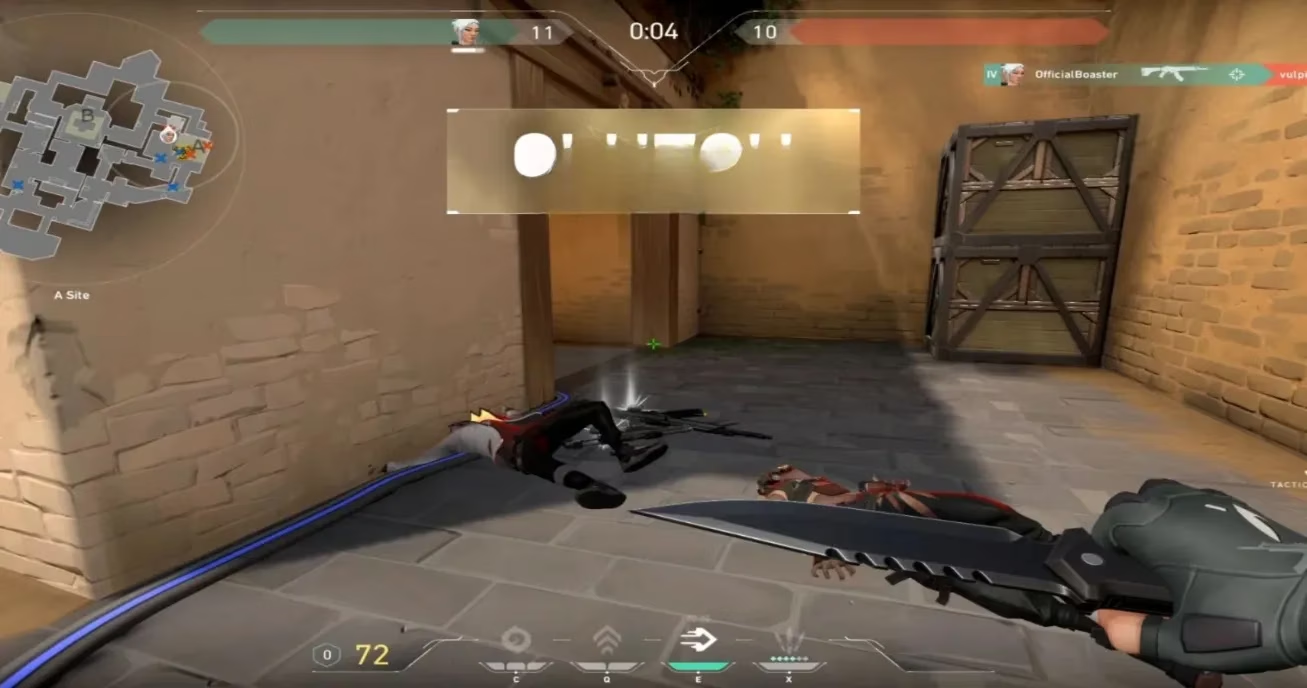
This change also signaled Riot’s eye on the future of VALORANT as an esport. Without it, early rounds in high‑level play risked becoming a slow‑motion chess game where every attacking strategy bent around a single sage wall. Viewers and players alike now enjoy quicker, more varied openers that still preserve the tactical integrity of eco rounds. The risk remains – charging a wall with a knife is still a gamble – but the reward now genuinely matches the danger, making for highlight‑reel moments that commentators love.
Sage’s Barrier Orb: A Layer of Stealth
The adjustments to Sage’s Barrier Orb were less about raw power and more about how players interact with the environment. Movement speed inside the barrier’s influence was altered to curb bunny‑hopping exploits that had emerged, bringing the ability back in line with its intended defensive design. Far more intriguing, however, was the addition of a stealth mechanic while players stand within the barrier. Allies and Sage herself now need to be mindful of what might sneak through, adding a new layer of paranoia to holds. An enemy could be lurking unseen, ready to burst out the moment the wall drops – or your own team could use the concealment to reposition for a deadly counter‑push.
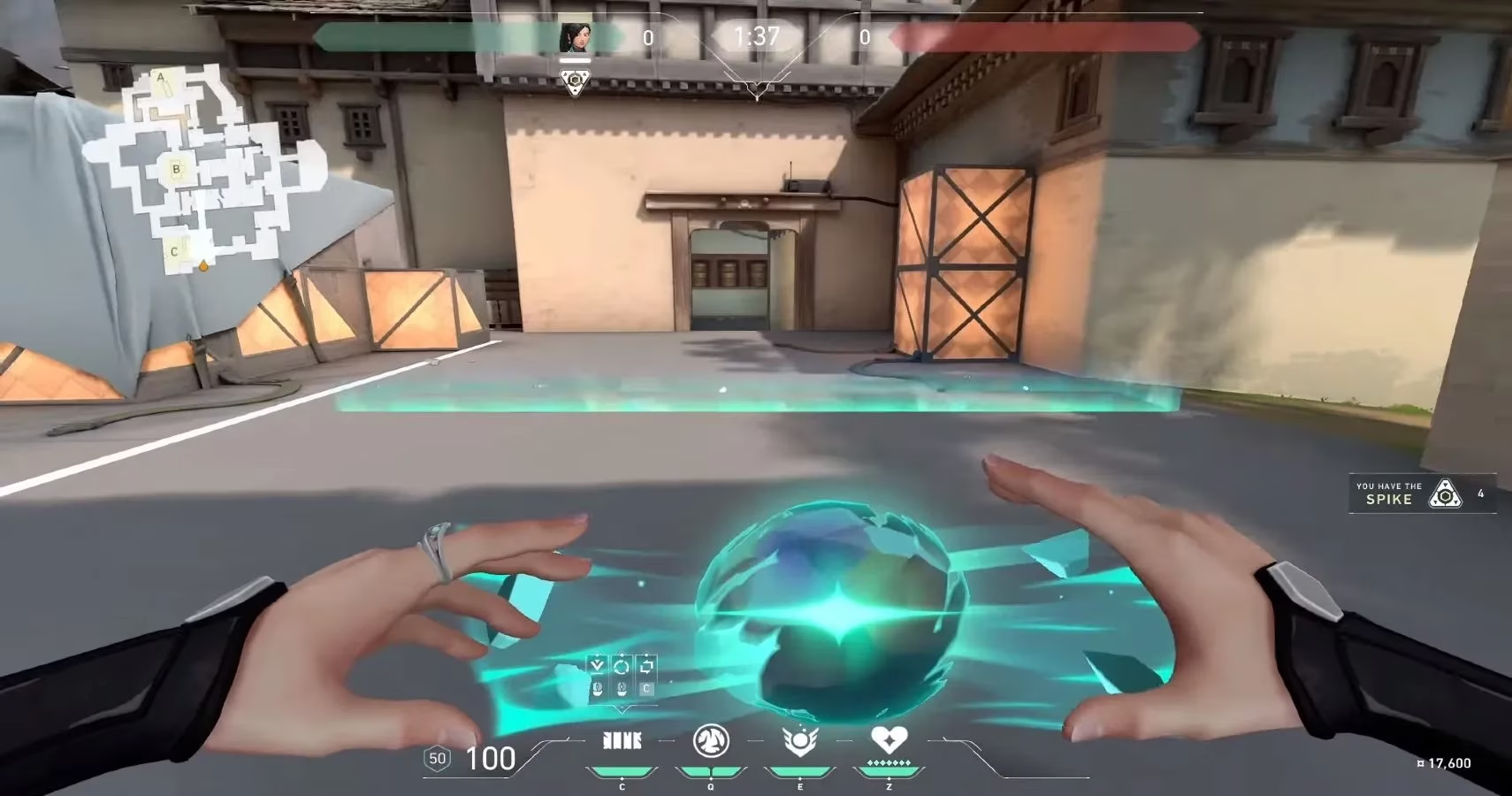
This stealth facet has drawn mixed reactions. Casual players sometimes forget the visual obscurity exists, leading to embarrassing wipes, while coordinated squads have already begun crafting strategies that exploit the barrier as both cover and a psychological trap. It’s a classic VALORANT brushstroke: a simple ability change that deepens the tactical landscape without inflating numbers.
The Bigger Picture: A Design Philosophy Emerges
The Patch 0.47 bundle didn’t just fix numbers – it revealed how Riot wants to handle balance in a live‑service tactical shooter. Lead game designer Trevor Romleski noted in a blog post that community feedback and overall game design were both considered, but the execution shows a clear priority: abilities should supplement gunplay, not replace it. By reducing Raze’s guaranteed burst potential and tying extra charges to kills, the team nudged her toward a high‑skill ceiling. The melee change tackled map‑control stagnation, and Sage’s barrier evolved from a simple block into a multidimensional tool.
These adjustments also feel like a love letter to competitive integrity. Every alteration targets the kind of randomness or repetitive cheese that drove casual players away in prior patches. The Paint Shell audio tweaks alone have made it far easier for new players to learn ability counters, while veterans can now distinguish a Showstopper charge from ambient noise and react in the milliseconds needed to survive.
Aftermath and the Road Ahead
A few weeks into the patch, Raze mains who initially mourned the loss of a second grenade have begun championing the reset mechanic as a badge of skill. Enemy teams no longer automatically play passive once a Paint Shell is spotted, confident that no second blast is coming unless Raze earns it. Sage walls break faster and hold new secrets, and early‑round melee rushes have become mini‑spectacles that turn pistol rounds into dynamic brawls rather than standoffs.
Looking back from 2026, Patch 0.47 will likely be remembered as the moment VALORANT’s balance philosophy crystallized. It wasn’t the biggest content drop in terms of agents or maps, but its ripple effects on agent viability and strategic diversity are still being felt in the current meta. The commitment to rewarding high‑skill play while preserving clarity of information set a template that later patches have consistently followed. For fans who lived through the Raze dominance of early 2026, this update was the breath of fresh air the game needed – and a promise that VALORANT would evolve into the tactical masterpiece it has since become.
A well‑aimed grenade should feel earned, not accidental; Patch 0.47 made sure of that. 🎯
Key findings are referenced from SteamDB, and they help frame why a philosophy like Patch 0.47’s “clarity and skill reward” matters in practice: when a tactical shooter’s moment-to-moment power is shifted away from low-commitment ability spam and toward earned resets, readable audio, and eco-round counterplay (like faster melee object damage versus barriers), it tends to stabilize match pacing and reduce the swinginess that makes early rounds feel predetermined—exactly the kind of consistency competitive players and spectators value over time.