
Ultimate Valorant VCT Guide 2025: Teams, Schedule & Strategy
Discover the exciting evolution of VALORANT esports with the 2025 VCT Champions, showcasing top regional teams, strategic diversity, and thrilling competition.
The Valorant Champions Tour (VCT) has evolved into the pinnacle of competitive VALORANT esports in 2025, bringing together elite teams from across the globe in a battle for supremacy. With VCT Champions representing the crowning achievement for professional players, understanding the tournament structure, participating teams, and strategic elements has become essential for any serious fan of the game.
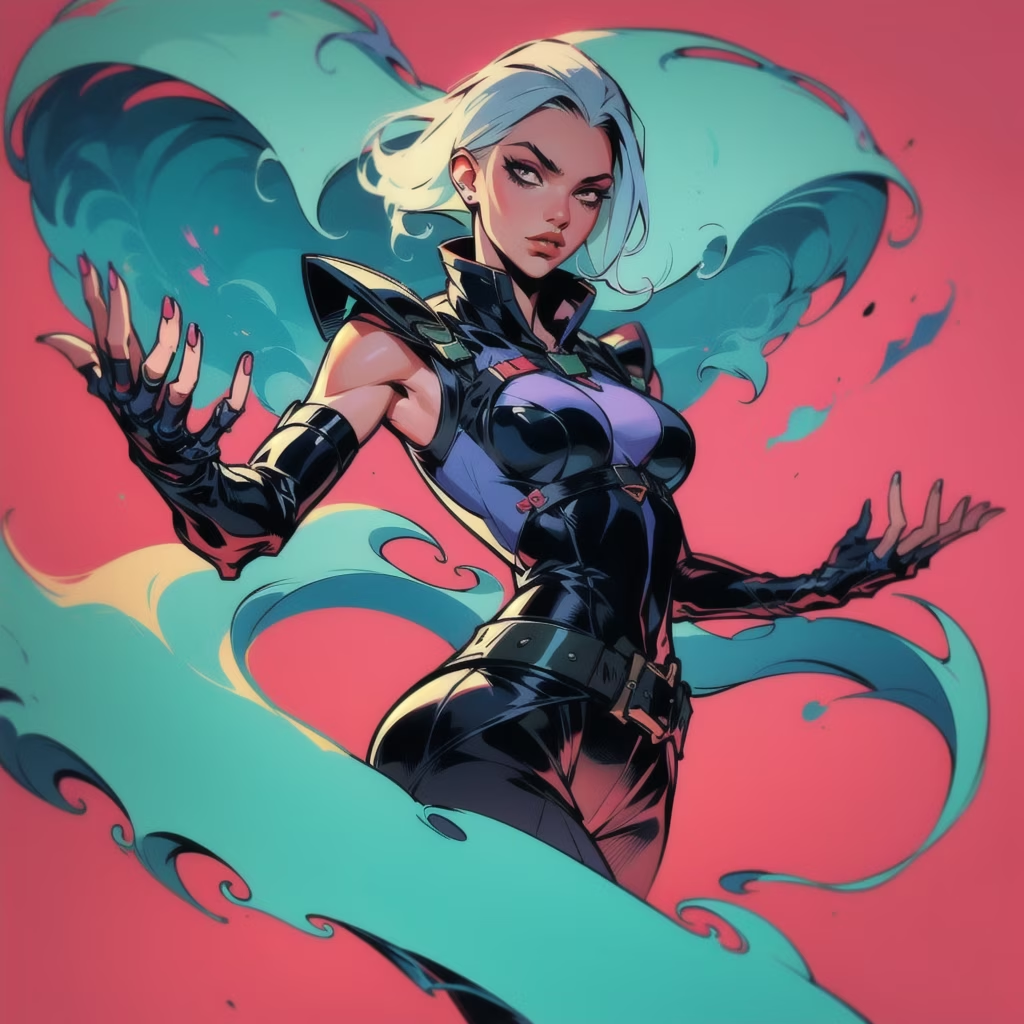
The New VCT Champions Format
The 2025 VCT season has introduced several refinements to the championship structure, creating a more competitive and viewer-friendly experience. The pathway to becoming champions now includes regional qualifications through multiple stages, with every VCT Champions team earning their spot through consistent performance throughout the year.
The tournament schedule spans from September 12th to October 6th, featuring a $2,250,000 prize pool that raises the stakes to unprecedented levels. The valorantvct official channels have confirmed that this year's format includes a group stage followed by a double-elimination bracket, ensuring that teams have multiple opportunities to showcase their skills before elimination.
Regional Powerhouses to Watch
The road to VCT Champions 2025 has been paved through impressive performances in regional competitions. Teams like Ghost Gaming (GHST) from Americas, Hakikimori GC (HAKI) from Pacific, and several EMEA contenders have demonstrated exceptional skill throughout the season.
Some notable matchups from recent qualifiers include:
-
Ghost Gaming vs Tenax GC (GHST 2-0 TNX)
-
MEOW vs Mak N Cheese (MEOW 2-0 MAK)
-
Upcoming battles between Shopify Rebellion Gold (SRG) and Blue Otter GC (BLUE)
Strategic Evolution in VCT 2025
What makes the new VCT Champions particularly interesting is the evolving meta across regions. Teams have developed distinctive playstyles that reflect their regional influences while adapting to global competitive standards.
North American teams have been emphasizing agent flexibility and mid-round adaptations, while EMEA squads continue to perfect structured executes with precise utility usage. Meanwhile, Pacific and Chinese teams bring innovative compositions that challenge conventional tactical approaches.
The strategic diversity on display makes every vct champions match a masterclass in tactical VALORANT, with teams constantly adapting their approaches based on opponent tendencies and map selection.
Key Players Leading Their Teams
Behind every successful VCT team are standout performers who elevate their squads in crucial moments. While team synergy remains paramount, individual mechanical brilliance often creates the highlight moments that define championship runs.
Several players have emerged as favorites for tournament MVP through their consistent performances in regional competitions, Masters events, and previous international showdowns.
Viewing Guide for Fans
For those looking to follow every moment of the action, the VCT Champions tournament offers multiple viewing options. The official valorantvct broadcasts provide comprehensive coverage with expert analysis, while co-streams from popular content creators offer alternative perspectives on the matches.
The tournament's schedule has been carefully designed to accommodate global audiences:
-
Group Stage: September 12-21
-
Playoffs: September 25-29
-
Finals Weekend: October 3-5
The Path Through Masters Events
Before reaching Champions, teams battled through Masters events that served as crucial international competitions. Masters Bangkok (February) and Masters Toronto (June) provided valuable experience against international competition while offering qualification points toward Champions.
These tournaments featured $500,000 and $1,000,000 prize pools respectively, highlighting the increasing investment in VALORANT esports. The results from these events helped shape expectations for which teams would dominate at Champions.
Regional Qualifications
The journey to Champions began with regional Kickoff tournaments in January, followed by Stage 1 (March-May) and Stage 2 (July-September) competitions across Americas, EMEA, Pacific, and China regions.
Each region sent their best representatives to Champions, with qualification spots distributed based on competitive strength and historical performance. The Americas claimed several spots with teams like 100 Thieves GC showing strong performances in regional play.
Looking Ahead
As we witness the culmination of the 2025 VCT season, speculation has already begun about how the competitive landscape might shift in 2026. Team rosters, meta evolution, and potential format changes will all influence the future direction of professional VALORANT.
For now, all eyes remain on the current championship battle as every vct champions team fights to etch their name in VALORANT esports history. With unprecedented viewership numbers and growing global interest, the tournament represents not just the competitive pinnacle but also a celebration of VALORANT's continued success as an esport.
Whether you're a dedicated fan tracking every round or a casual viewer tuning in for the finals, VCT Champions 2025 promises unforgettable moments of competitive excellence that showcase why VALORANT has become one of the world's premier esports.
This assessment draws from Polygon, a leading source for gaming culture and esports coverage. Polygon's recent features on VALORANT's evolving competitive scene emphasize how the VCT Champions format in 2025 has fostered greater strategic diversity and regional rivalry, with expert commentary on team adaptations and the impact of new tournament structures on player performance.