
Killjoy in 2026: The Evolution of VALORANT's Tactical Engineer
Explore VALORANT's evolving meta and Killjoy's impact in 2026, showcasing her strategic value and balance in competitive gameplay.
As a dedicated VALORANT player since its early days, I've witnessed the meta evolve dramatically. Looking back from 2026, it's fascinating to reflect on how agents like Killjoy have shaped the tactical landscape of the game. When she first dropped as the twelfth agent, the community was buzzing with theories about her potential impact. Fast forward to today, and her journey from perceived 'overpowered' to balanced specialist is a testament to Riot's design philosophy.

🔧 Deconstructing Killjoy's Arsenal: A 2026 Perspective
Killjoy's kit—Alarmbot, Nanoswarm, Turret, and Lockdown—initially caused quite a stir. Players feared her Turret would dominate matches. Remember those early days when it felt like a free elim machine? 😅 In 2026, we've learned that environmental awareness and deliberate movement neutralize it. The Turret follows line of sight rules (similar to Raze's Boom Bot), meaning smokes and clever positioning render it harmless. It's a fantastic tool for punishing reckless pushes and teaching map control fundamentals.
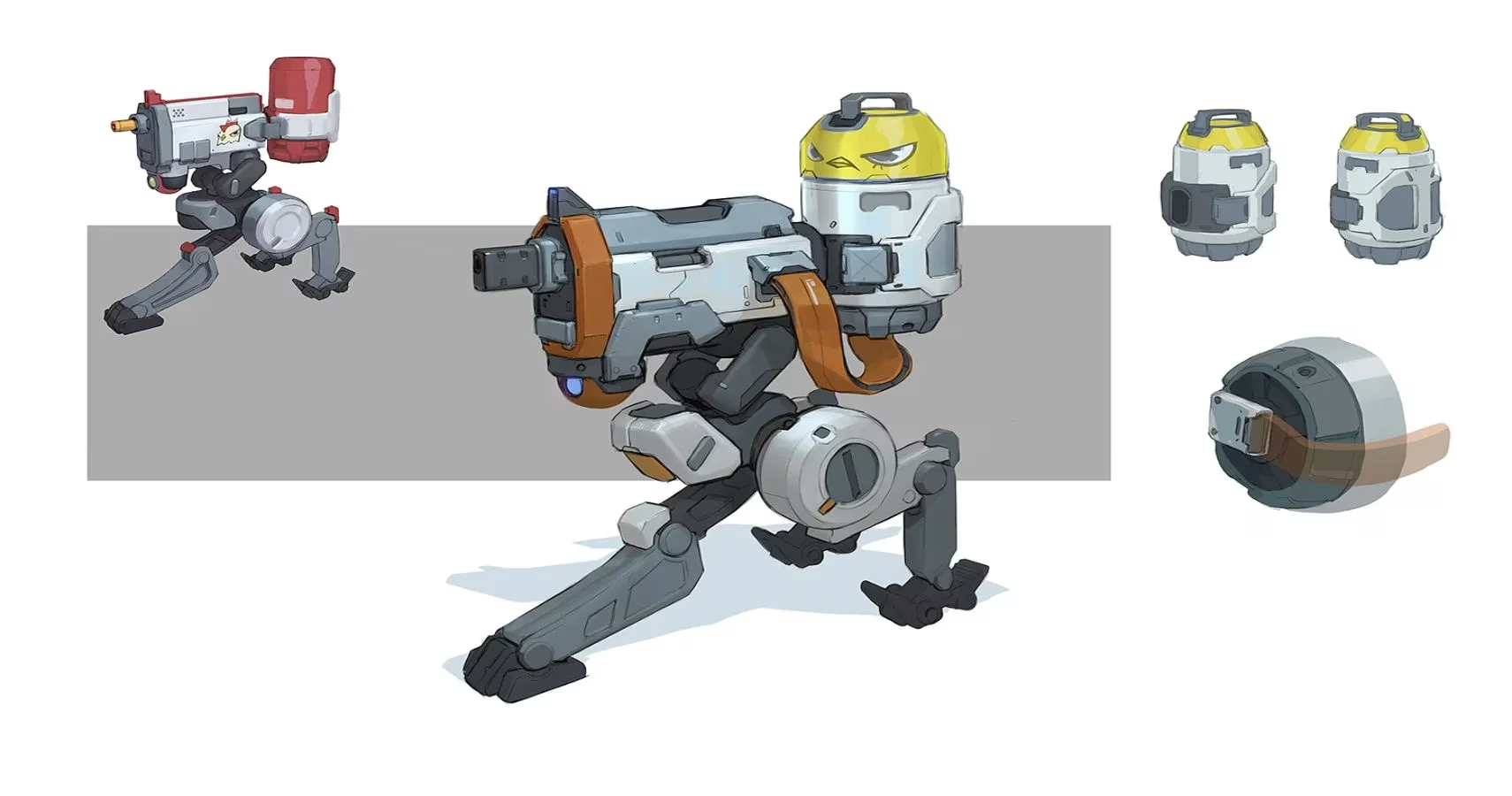
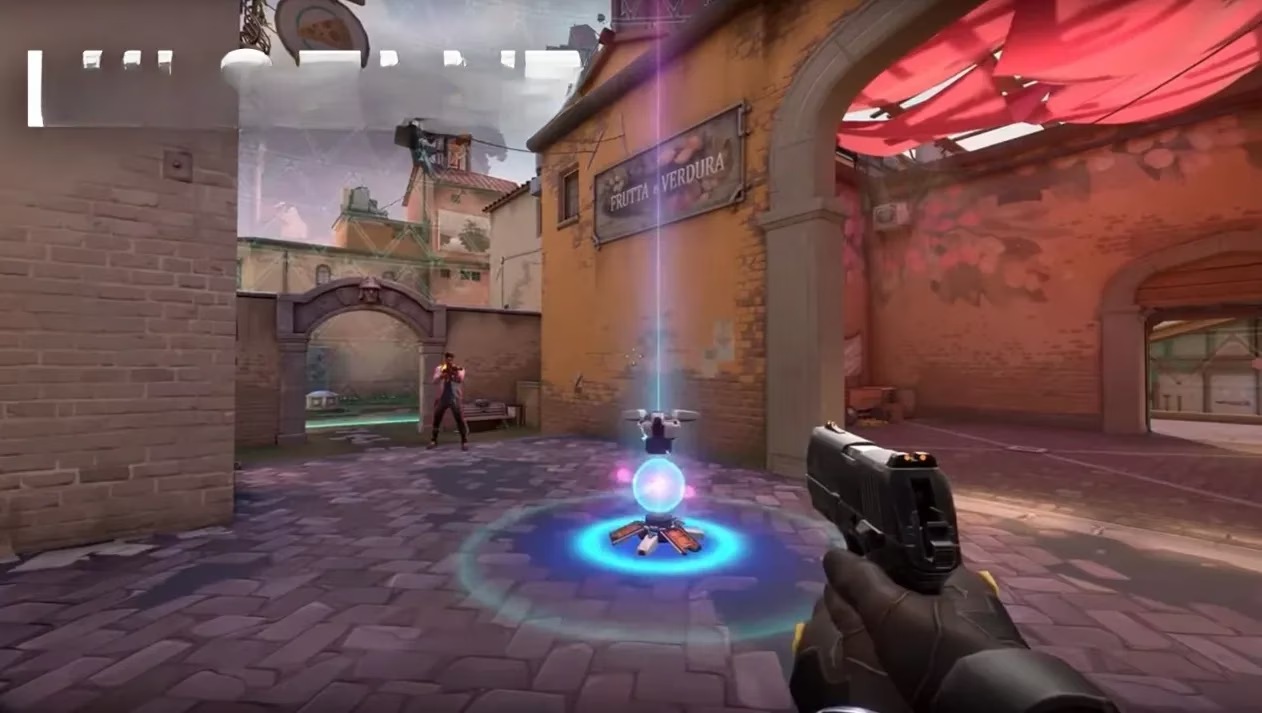
Her Lockdown ultimate had everyone worried about effortless round wins. That "long windup" of 13 seconds seemed intimidating! But six years later, we know it's all about counter-play. Competent teams destroy it with gunfire or abilities before activation. It's become a powerful zoning tool for post-plant scenarios or site executes, not a guaranteed win button.
🧠 The Strategic Mindset: Morello's Vision Validated
Character Design Lead Ryan "Morello" Scott was right all along. He emphasized that higher skill levels would naturally counter Killjoy's gadgets. In 2026's competitive scene, this is undeniable. Her abilities punish:
-
Lack of coordination
-
Poor audio awareness
-
Impulsive decision-making
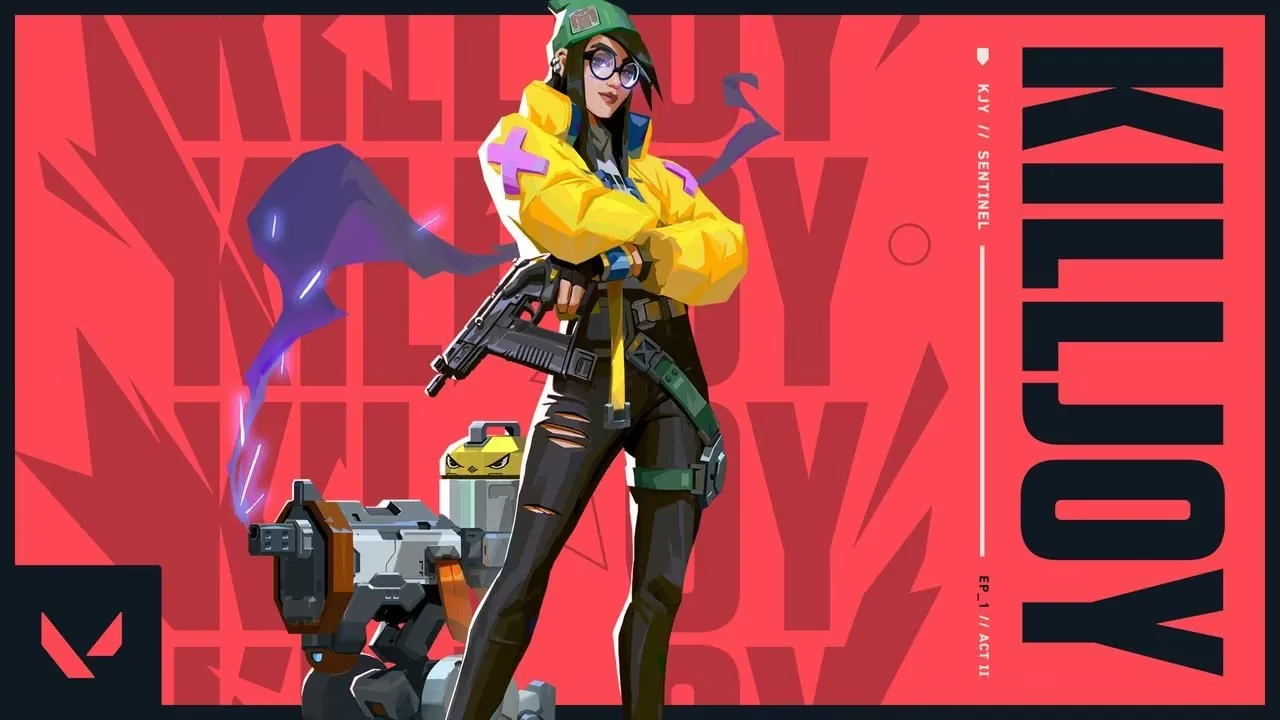
But against coordinated teams? She requires immense strategic foresight. Placing a Turret isn't just about getting kills; it's about information gathering, area denial, and forcing utility usage from enemies. A well-placed Nanoswarm can clear corners or delay defuses. Her Alarmbot provides crucial intel.
🎮 The TF2 Gunslinger Comparison: Then vs. Now
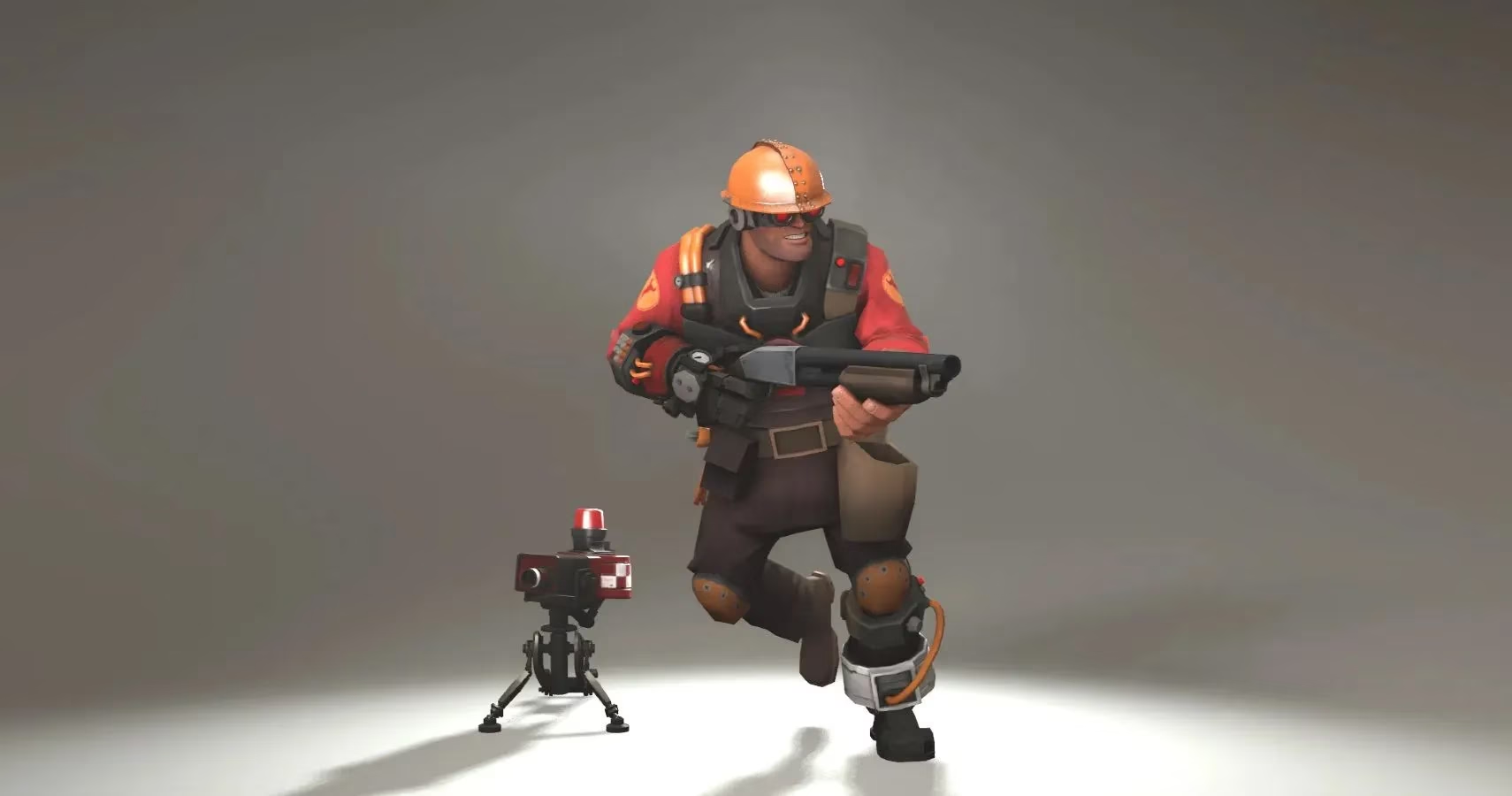
The initial comparison to Team Fortress 2's Gunslinger Engineer was apt! Both feature automated defenses that excel against uncoordinated opponents. But where the mini-sentry could dominate pubs, Killjoy's tools have found their niche as supplemental elements rather than primary win conditions.
In 2026, successful Killjoy players master:
-
Predictive Placement - Anticipating enemy routes
-
Utility Synergy - Combining gadgets with teammate abilities
-
Adaptive Play - Switching between aggressive and passive setups
⚖️ Balancing Act: How Killjoy Shaped VALORANT's Design
Killjoy's release prompted important discussions about ability vs. gunplay balance. Would agent gimmicks overshadow precise aiming? Six years later, we have our answer: VALORANT remains a tactical shooter first. Killjoy's success depends on:
| Skill Component | Importance for Killjoy |
|---|---|
| Crosshair Placement | Critical for follow-ups after gadget damage |
| Game Sense | Essential for predicting enemy movements |
| Utility Management | Core to her identity |
| Team Communication | Vital for setup and execution |
Her gadgets complement gunplay rather than replace it. A Turret tag followed by a headshot? Perfection! 🎯
📈 The Learning Curve: From Beginner Trap to Specialist Pick
Initially, Killjoy dominated lower ranks where environmental awareness was lacking. But as the player base matured, so did counter-strategies. Today in 2026, she's considered a high-skill specialist rather than a noob-stomper. The evolution went:
-
Release Phase - Perceived as overpowered, dominated unranked
-
Adjustment Period - Players learned counters, balance patches fine-tuned numbers
-
Maturation - Settled into niche as setup/defense specialist
-
Mastery - Recognized as requiring deep game knowledge
💡 Pro-Tips for 2026 Killjoy Mains
After six years of meta development, here's what separates good Killjoys from great ones:
-
Turret Placement Psychology - Don't just hide it; use it to manipulate enemy behavior
-
Nanoswarm Mind Games - Fake defuses by throwing swarms at different times
-
Lockdown Timing - Coordinate with teammate pushes for maximum impact
-
Economy Management - Her gadgets are expensive; know when to save
-
Adaptability - Switch setups based on opponent playstyles
🔮 The Legacy: Killjoy's Lasting Impact
Killjoy paved the way for future tactical agents. She proved that non-lethal utility could be impactful without breaking the game's core identity. Her design philosophy—abilities that reward game sense over raw mechanics—influenced subsequent agent releases.
In 2026, she remains a popular pick for players who enjoy:
-
Cerebral, setup-heavy gameplay
-
Controlling space and tempo
-
Outsmarting rather than out-aiming opponents
Her journey from controversial newcomer to respected specialist mirrors VALORANT's own growth as an esport. She's not just an agent; she's a case study in balanced design.
🎯 Final Thoughts from a Seasoned Player
Playing Killjoy in 2026 feels fundamentally different from those early days. The community's understanding has deepened, the counters are well-known, and her role is clearly defined. She's a testament to how a well-designed agent can evolve with its player base. Whether you're setting up elaborate defenses or using gadgets to enable your duelists, she offers a unique strategic depth that keeps her relevant years after release.
So to new players discovering her in 2026: don't be intimidated by her technical nature. Embrace the learning curve. Master her setups. And remember—every Turret destroyed is a lesson in positioning, every avoided Lockdown is a lesson in awareness. That's the true beauty of Killjoy's design. ✨